The Heart of Entertainment: Exploring Romance and Affection in Modern Media
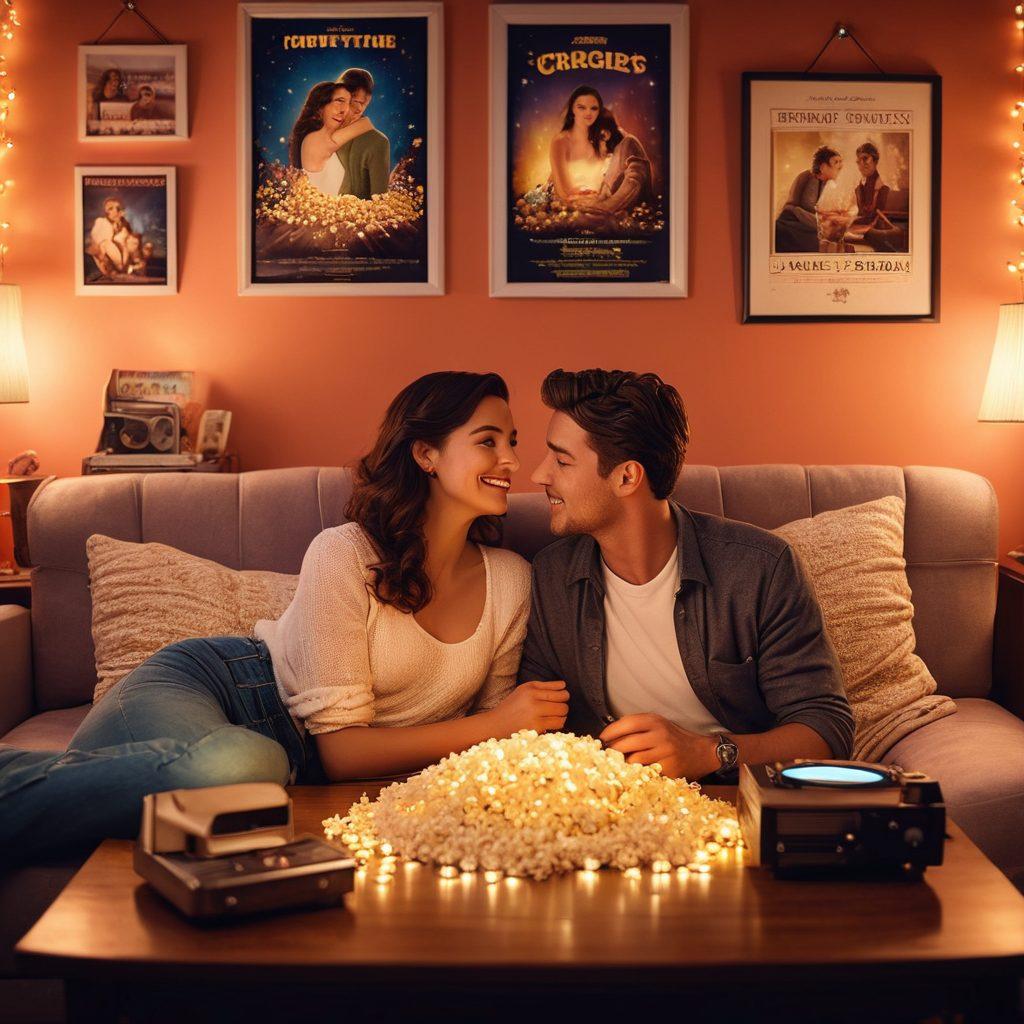
In an age where digital media dominates our screens and our hearts, the magic of love permeates every aspect of entertainment we consume. From heartwarming films to gripping reality TV shows, romance and affection play pivotal roles in shaping the narratives we adore. It’s fascinating, isn’t it? How a glimmer of love can turn an ordinary story into something absolutely enchanting? As we unveil the significance of romance in modern media, the question arises: how does this age-old emotion continue to influence our contemporary viewing habits?
Let’s dive into the role of romance in various genres. Broadcasting shows like Daserste, which focus on connection and emotional storytelling, captivate vast audiences through their heartfelt narratives. These programs not only entertain; they enrich our lives by demonstrating the complexities of love and affection. It’s no surprise that viewership tends to soar for shows that explore emotional depth. Moreover, with the rise of reality TV and dramas, we find ourselves ensnared in the whirlwind of relationships, seeking the thrill of romantic encounters and the spice of love in every twist and turn.
Have you ever noticed the impact of programming choices based on romantic themes? Content creation in today’s streaming world leans heavily into storytelling that weaves love as its core thread. Imagine sitting down to binge-watch a new series where romance forms the heart of every episode. It’s an engaging experience—a tantalizing journey through the ups and downs of affection that resonates with viewers long after the screen fades to black. And as we schedule our evenings around our favorite shows, it’s clear that romance adds a layer of excitement to the audiovisual landscape.
As we explore the relationship between romance and audience engagement, it’s essential to acknowledge how cultural programming reflects societal norms surrounding love and affection. Whether it’s through the lens of a romantic comedy or a poignant drama, each piece of entertainment serves as a mirror, reflecting our aspirations and fears about love. This connection between what we see on screen and our own lives invites us to engage more deeply with the content. After all, isn’t it comforting to witness characters navigate love, reminding us that we’re not alone in our journeys?
In conclusion, the influence of romance in modern media cannot be overstated. Love isn’t just an emotion; it’s a driving force that captivates audiences, boosts ratings, and shapes programming across various platforms. So the next time you settle in for your favorite film or binge-watch a rom-com series, consider the magic of love at play. It’s more than mere entertainment—it’s a celebration of human connection, a testament to the enduring nature of affection, and an essential part of the showbiz cosmos we adore. So, are you ready to explore the enchanting stories that love has to offer?
From Drama to Reality TV: The Enduring Allure of Affection in Entertainment
In a world bustling with the rapid pace of modern life, it seems that the one genuine escape people seek is love. From the powerful dramas that tug at our heartstrings to the exhilarating ups and downs of reality TV, the obsession with romance and affection in entertainment has stood the test of time. But what is it about these stories of love that capture our hearts and become the backbone of popular culture? As we delve into the myriad genres of media—from Daserste to the latest streaming phenomena—together let’s explore the enduring allure of affection in entertainment.
Television, film, and digital media have always had one thing in common: they mirror our inherent need for connection and understanding. The ratings of love-centered content continue to soar, showing that audiences crave emotional narratives. When you watch a drama unfold or witness the intricate affection on a reality TV show, you’re not just a viewer. You become a part of the story. Think about it: have you ever cheered for a couple on-screen, or felt a pang of heartache at a romantic separation? The power of storytelling in audiovisual formats allows viewers to experience emotions that sometimes elude them in real life. It's these moments that turn normal programming into something truly magical.
Let’s take a moment to reflect on why we are so drawn to romance. In a society often embroiled in chaos—whether it’s from news broadcasting or the intricacies of daily life—affection provides an escape hatch. How many times have you craved the comfort of a love story after a long day? Perhaps it's the thrill of watching a couple fall in love against all odds or witnessing the drama of a break-up that keeps us engrossed. The narrative of love serves not just as entertainment but as a reminder of what it means to connect with another human being, painting a vivid picture of hope, longing, and passion.
This fascination with love content isn't just relegated to scripted dramas; even in the realm of reality TV, we see how viewers are completely engaged by the affection on display. Shows dedicated to showcasing relationships, whether they are blossoming or face challenges, garner substantial viewership. With the rise of social media, audiences are more involved than ever, eager to share their opinions and connect online. Have you ever found yourself scrolling through comments and joining a passionate debate about your favorite couple? This interaction speaks volumes about our collective desire for dialogue around romance and human connection, confirming that affection in entertainment brings people together even beyond the televised screen.
In a time when digital media is rapidly evolving, the landscape of romance in entertainment is also changing. Content creation is stepping into new territories; think of the swath of romantic web series available through streaming platforms. As fans, we can now curate our schedules, binge-watch romantic films, or dive into serialized dramas filled with relationships. So, what’s next? As audiences, we have the power to influence programming—demanding more genuine and passionate portrayals of love on our screens. Patience, creativity, and innovation will continue to be the heart of showbiz. How can you, as a part of this dynamic viewership, contribute? By advocating for diverse and compelling love stories that resonate with your experiences and desires!
In conclusion, the allure of affection in modern media remains an inseparable part of our lives. Whether through heartfelt drama or emotionally charged reality TV, the concepts of love and connection are deeply embedded in the fabric of entertainment. As the digital era continues to shape content creation and programming, we can look forward to even more engaging narratives that resonate on an emotional level. So the next time you tune into your favorite show, ask yourself: what love story resonates with you today? It might lead you to discover something beautiful yet again.
Beyond the Screen: Understanding Audience Engagement and Affection in Today’s Broadcasting
In the modern era of entertainment, romance and affection have taken center stage not just in film and television, but also in how audiences engage with these narratives. Platforms like Daserste tap into the innate longing for connection, unfurling stories that resonate deeply with viewers' hearts. Have you ever found yourself tearing up during a romantic scene, only to realize it reflects something you’ve experienced yourself? This is the magic of modern media – the ability to bridge the gaps between our lives and the characters we see on screen. As digital media continues to evolve, the dynamics of audience engagement have transformed as well. No longer passive consumers of content, viewers today are active participants in the world of romance portrayed through broadcasting. The rise of streaming services has made affection not only a plot point but a communal experience. Think about it: when was the last time you binge-watched a romantic drama and felt compelled to discuss it with friends on social media? This shift in communication reflects how today's audiences long for connection – with other fans and with the stories unfolding in front of them. Consider the programming that garners significant viewership. Reality TV, for example, thrives on our fascination with love. Shows where participants navigate the minefield of romance, from first dates to dramatic breakups, are not just about entertainment; they're a lens reflecting our societal values and expectations regarding love and affection. Arrow quotes, “Love is like the wind; you can't see it, but you can feel it,” resonate throughout these formats, demonstrating how scripted content and real-life emotions intertwine fully. Each episode serves as a mirror reflecting cultural norms, proving that while we tune in for the drama, we often find ourselves contemplating our own relationships. Understanding audience engagement means recognizing that the stories we create influence not only our viewing habits but also our perspectives on love and affection. As cultural programming integrates deeper narratives into its framework, show creators are becoming more aware of the impact their content has. Running side by side with news and variety shows, shows dedicated to romance can shape societal views regarding relationships and dating. How do we navigate love in a world filled with digital distractions? It seems every week there’s a new story to tell – a new film, a fresh drama. The key is balance, and content creators are continuously exploring this space. Ultimately, the heart of entertainment lies in the connections we form through these narratives. Each story of romance is more than just a tale of love; it's an opportunity for reflection, conversation, and sometimes even self-discovery. In today's fast-paced world of streaming and digital media, where everything is available at our fingertips, we crave narratives that resonate with our emotional truths. So, the next time you find yourself engrossed in a romance on your favorite broadcasting channel, remember: it's not merely about the screen. It's about engagement, connection, and the timeless pursuit of love that brings us together.